What happens when we allow someone else’s perspective to change what we have begun?
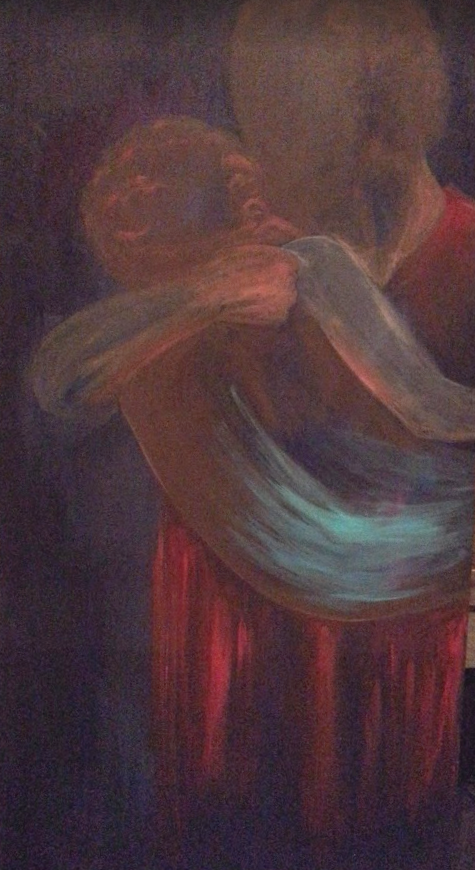
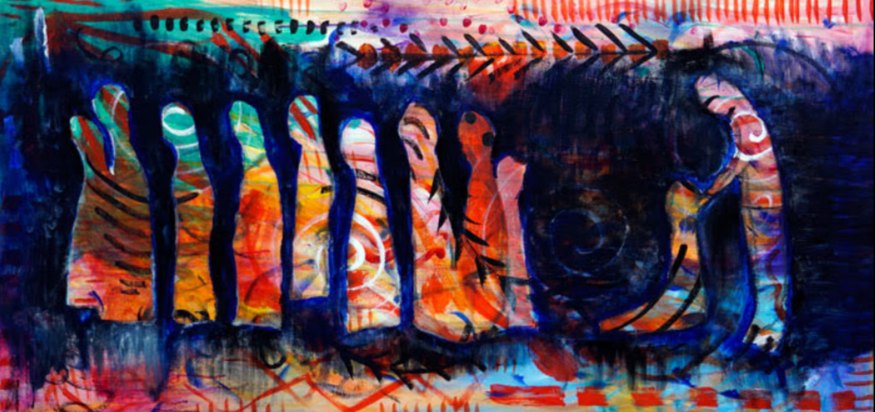
Painting Parables began with a simple invitation to anyone who wanted to participate: come, choose a parable, and begin a painting.
But no one was expected to finish the painting they started.
When someone reached a “stuck” place, they released their unfinished work to the communal pool, where another person could pick it up and take it in a new direction.
There was one important constraint:
Do not obliterate what another person has already contributed.
RELEASING WHAT WE BEGIN
A painting might pass through several hands before it was finished.
Each new painter encountered something already underway: someone else’s colors, marks, interpretation of the parable, and choices. They could respond to what was there, add something unexpected, or move the painting somewhere its first painter might never have imagined.
But they could not erase the person who had come before them.
To participate meant both leaving something of yourself behind and making room for someone else.
SEEING COMMUNALLY
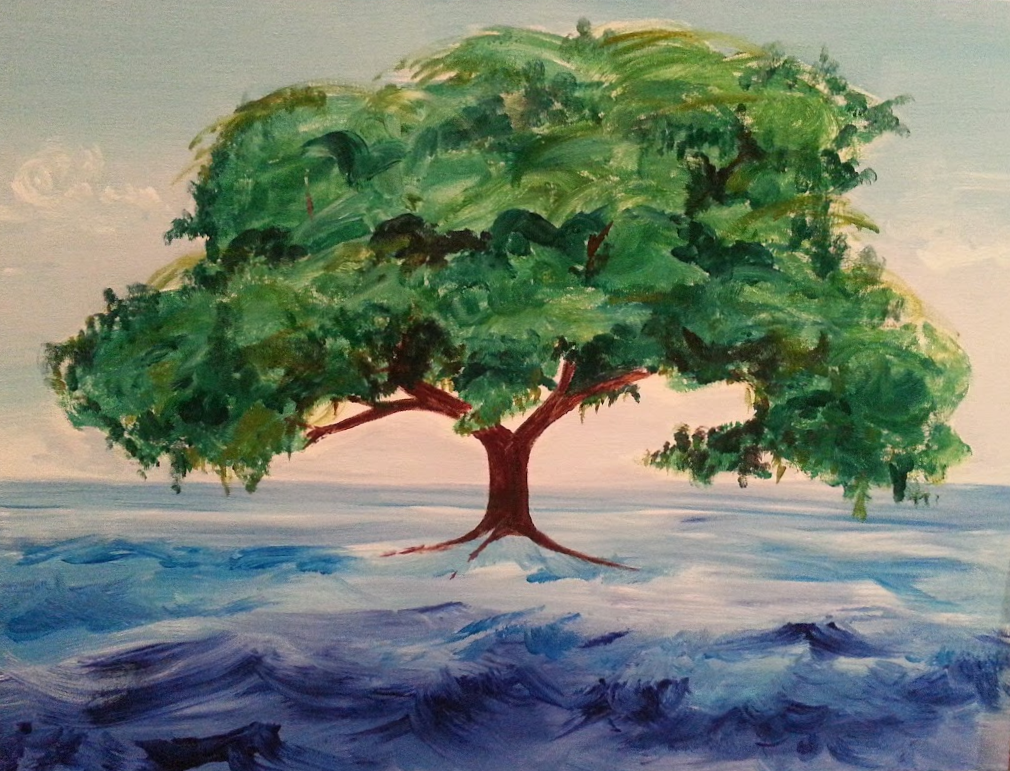
I hoped participants would experience one another's support and that their perspectives would widen when they could see communally. Several of the artists indicated they felt affirmed in their level of ability, felt permission to experiment and make mistakes in a safe space, and felt renewed engagement with what the Sacred text might mean for them as they experienced it in community.
What can we see communally that we cannot see alone?