


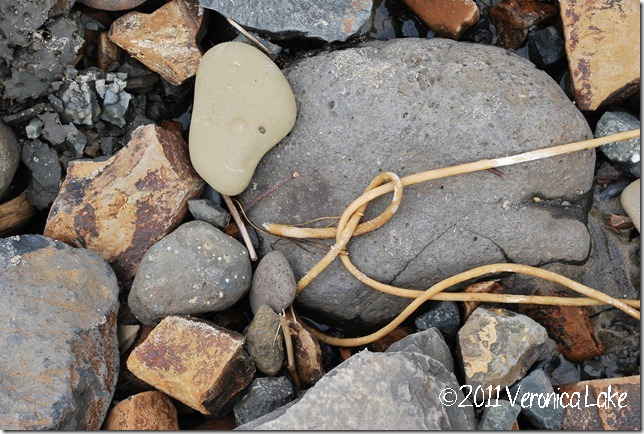
God in the Ordinary: Contemplative Photography Project
What changes when we begin looking for the Sacred in ordinary spaces?
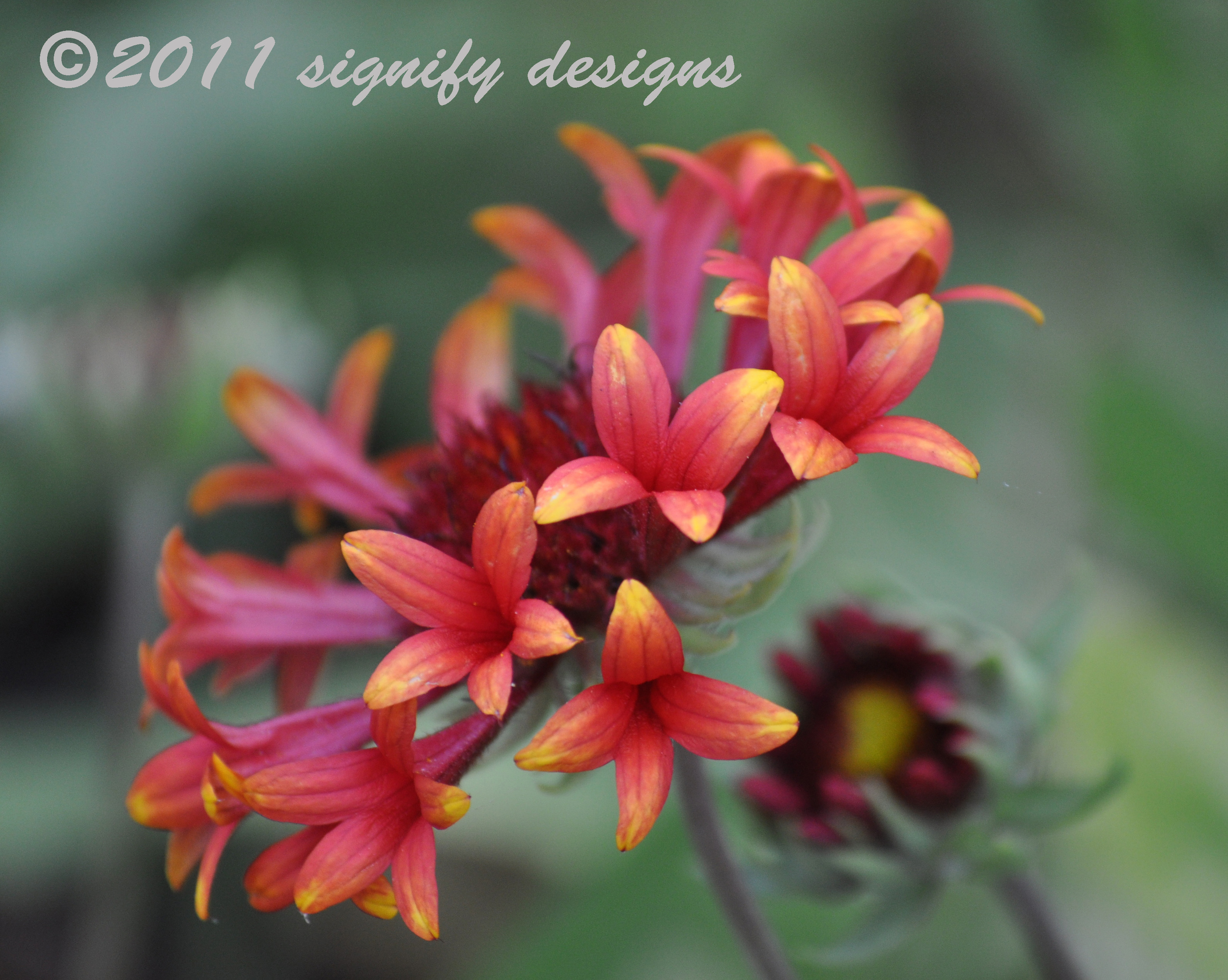
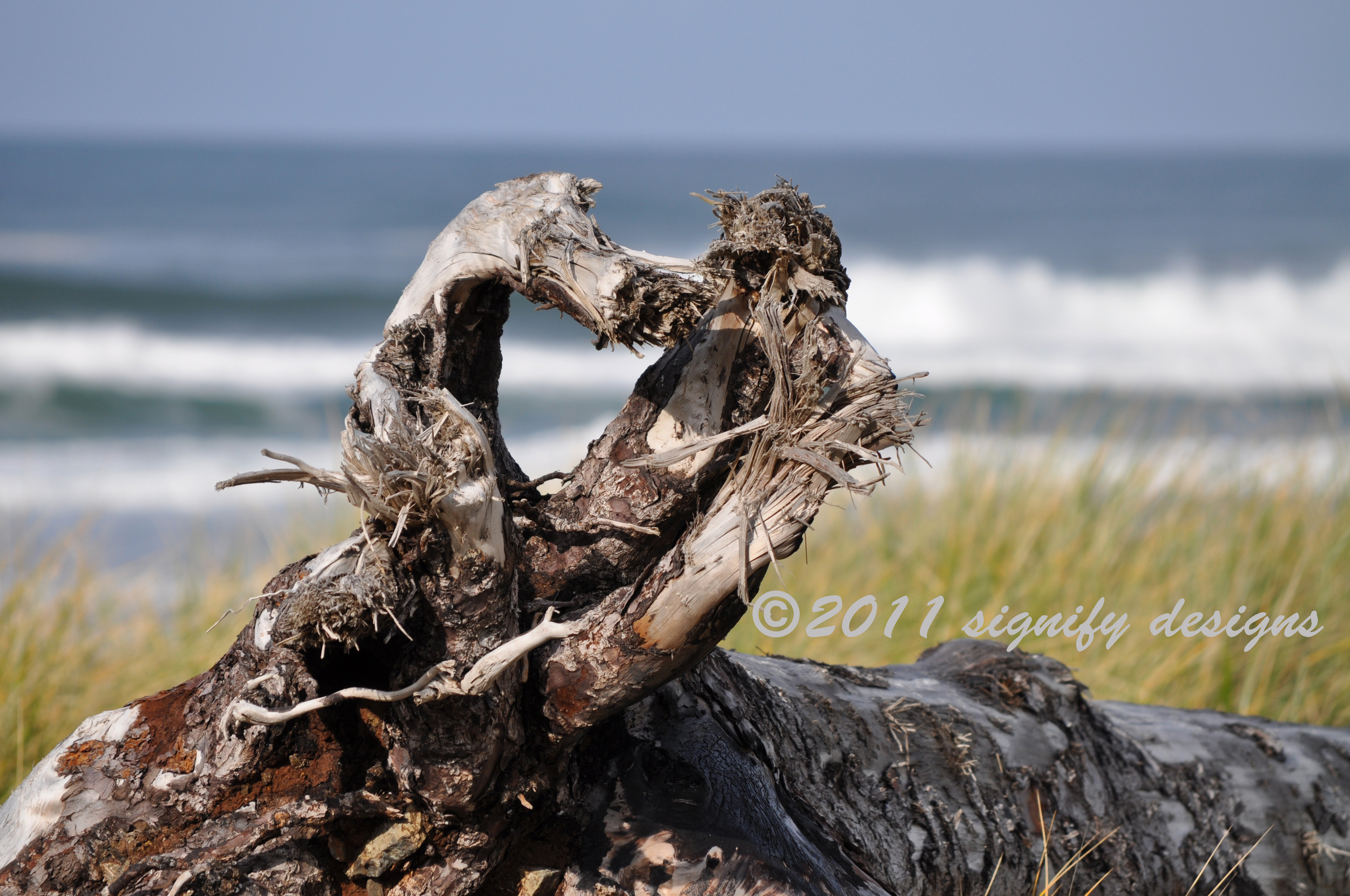
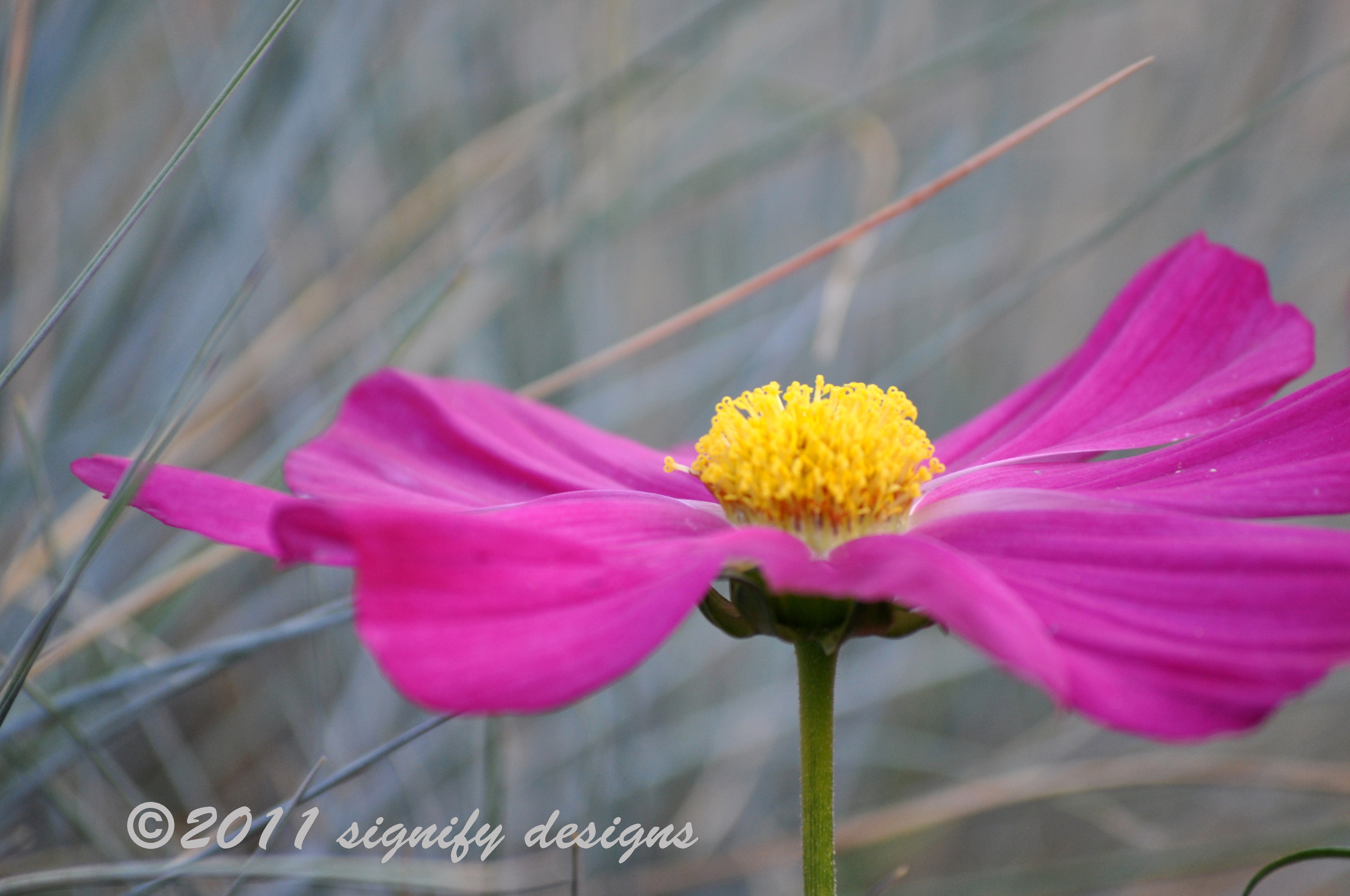
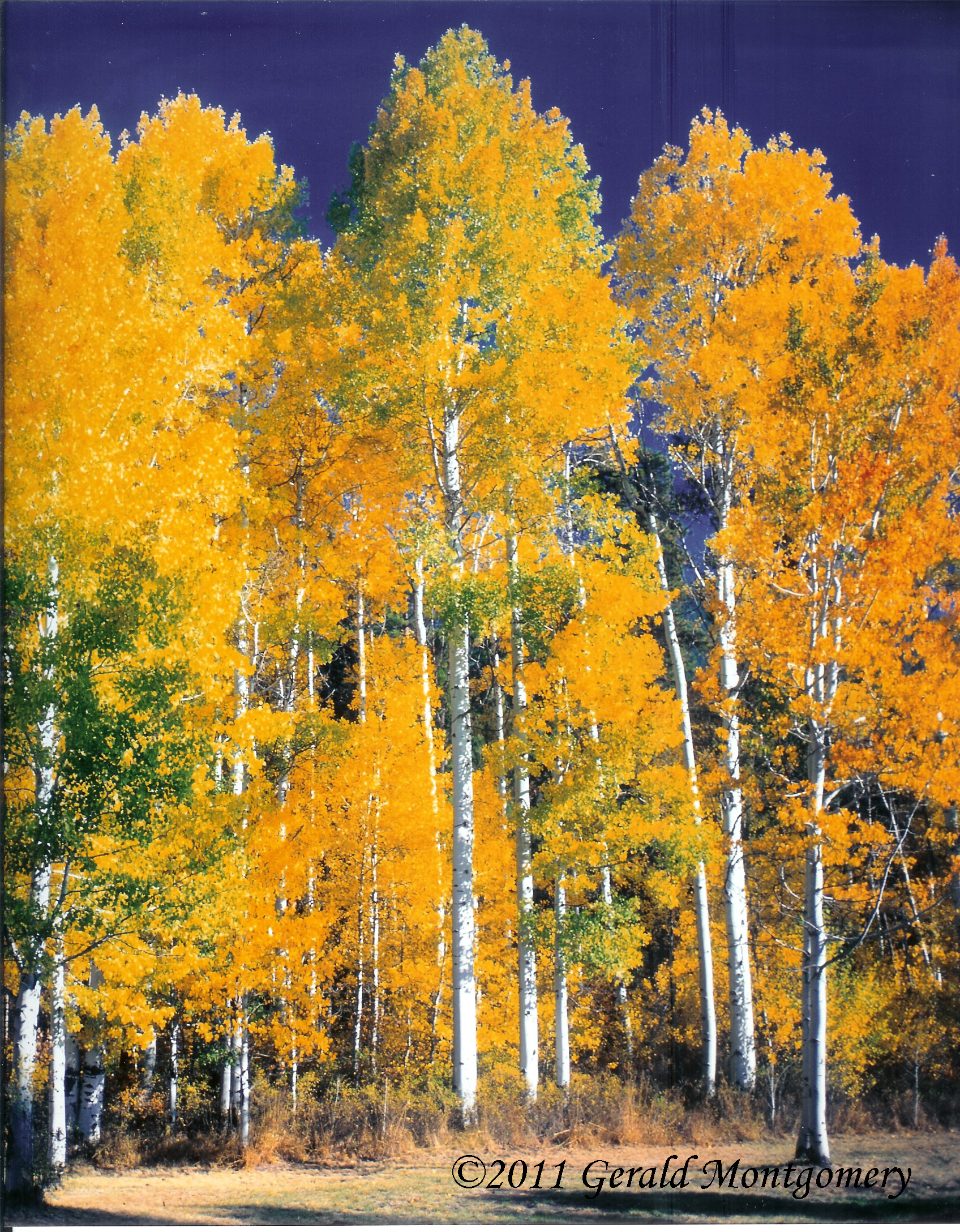
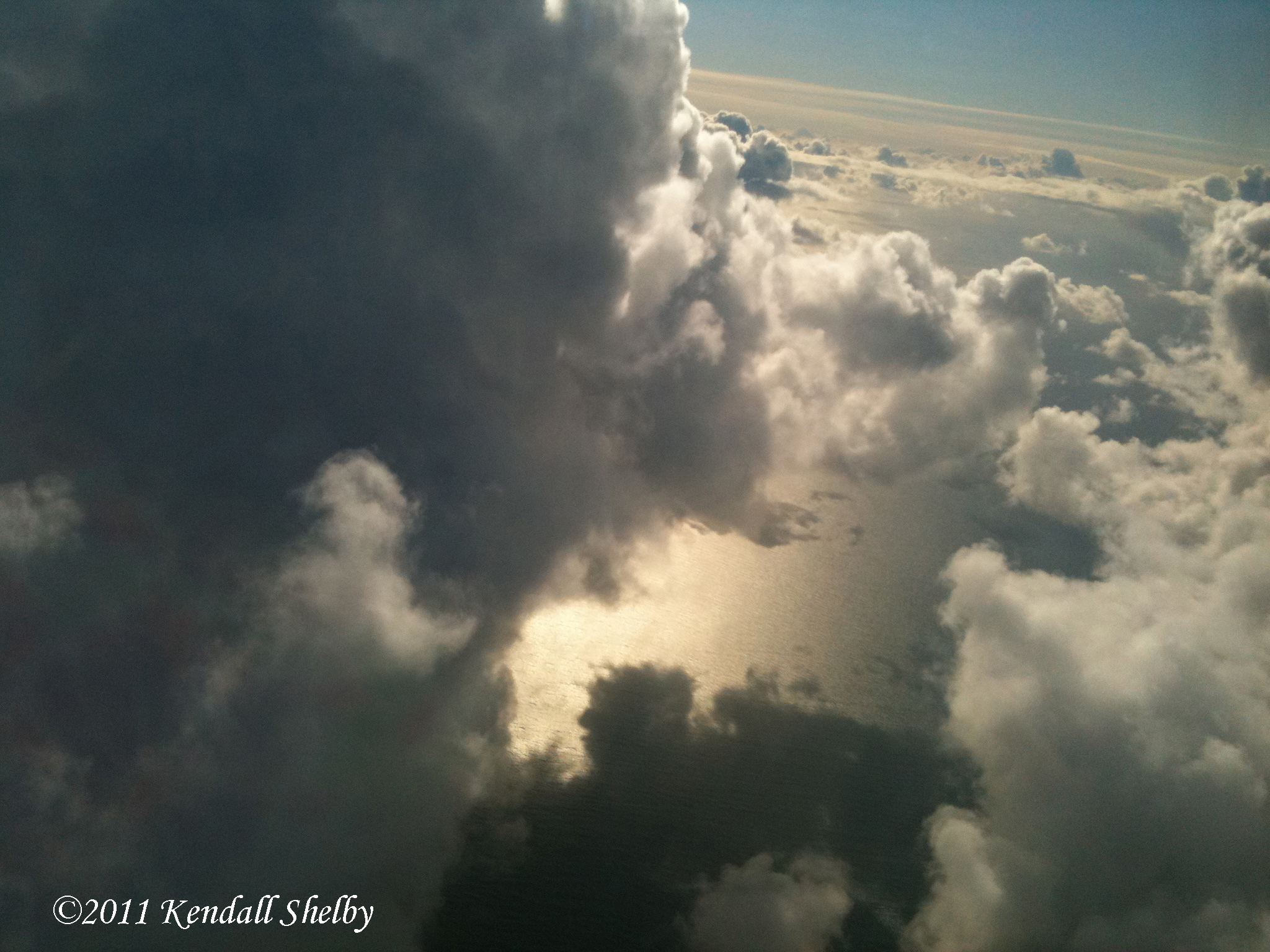
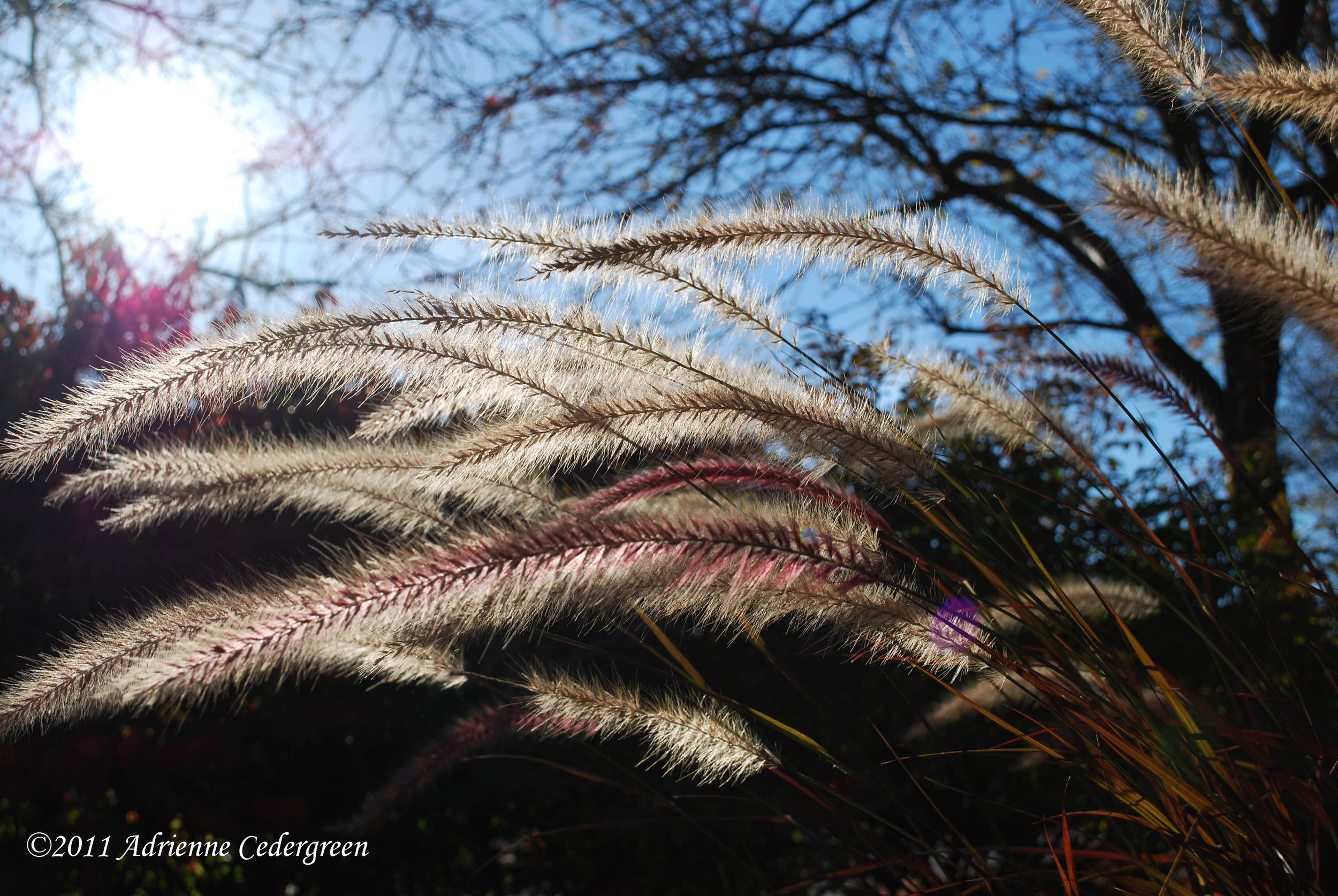
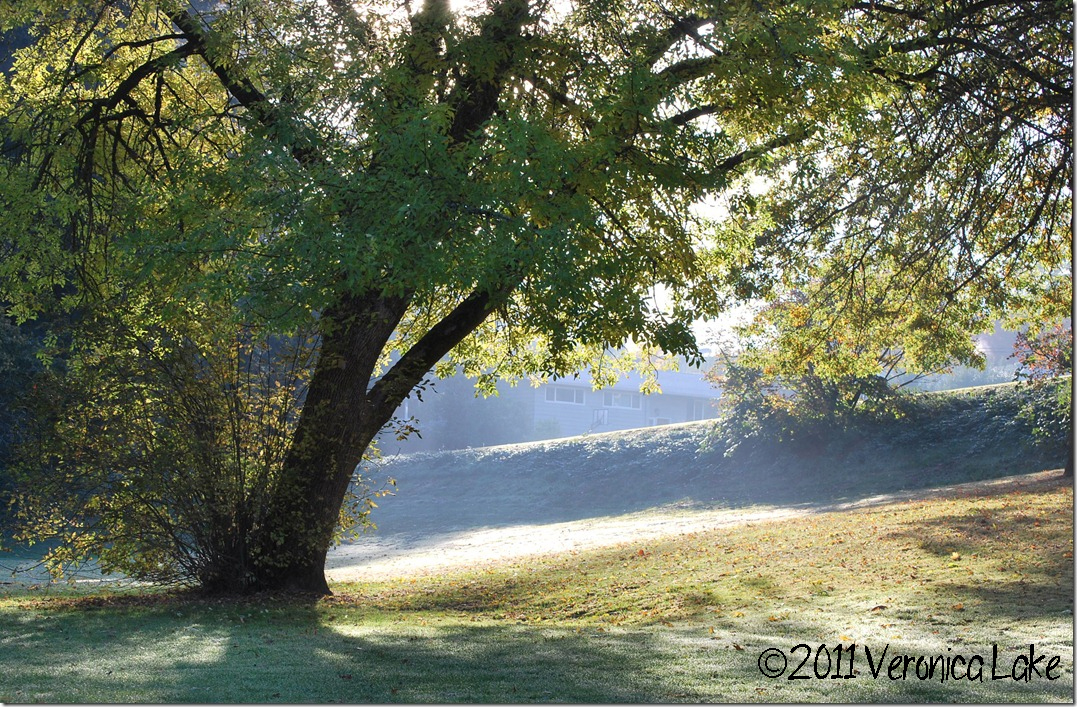
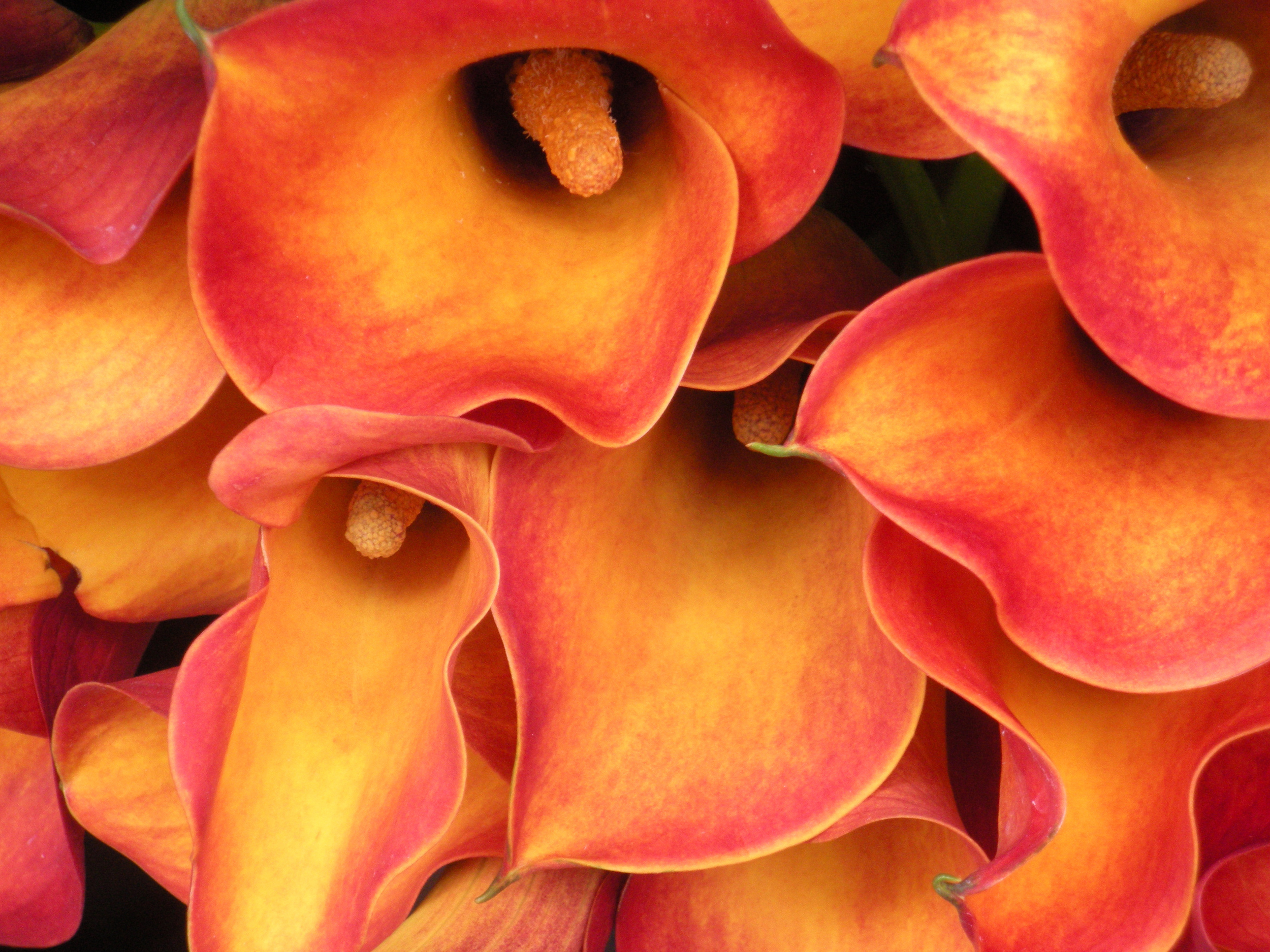
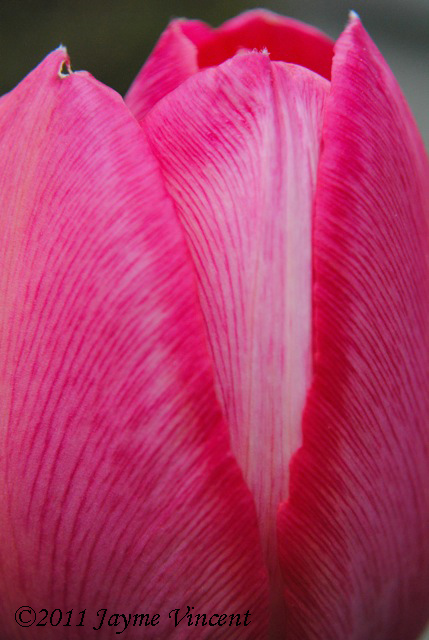
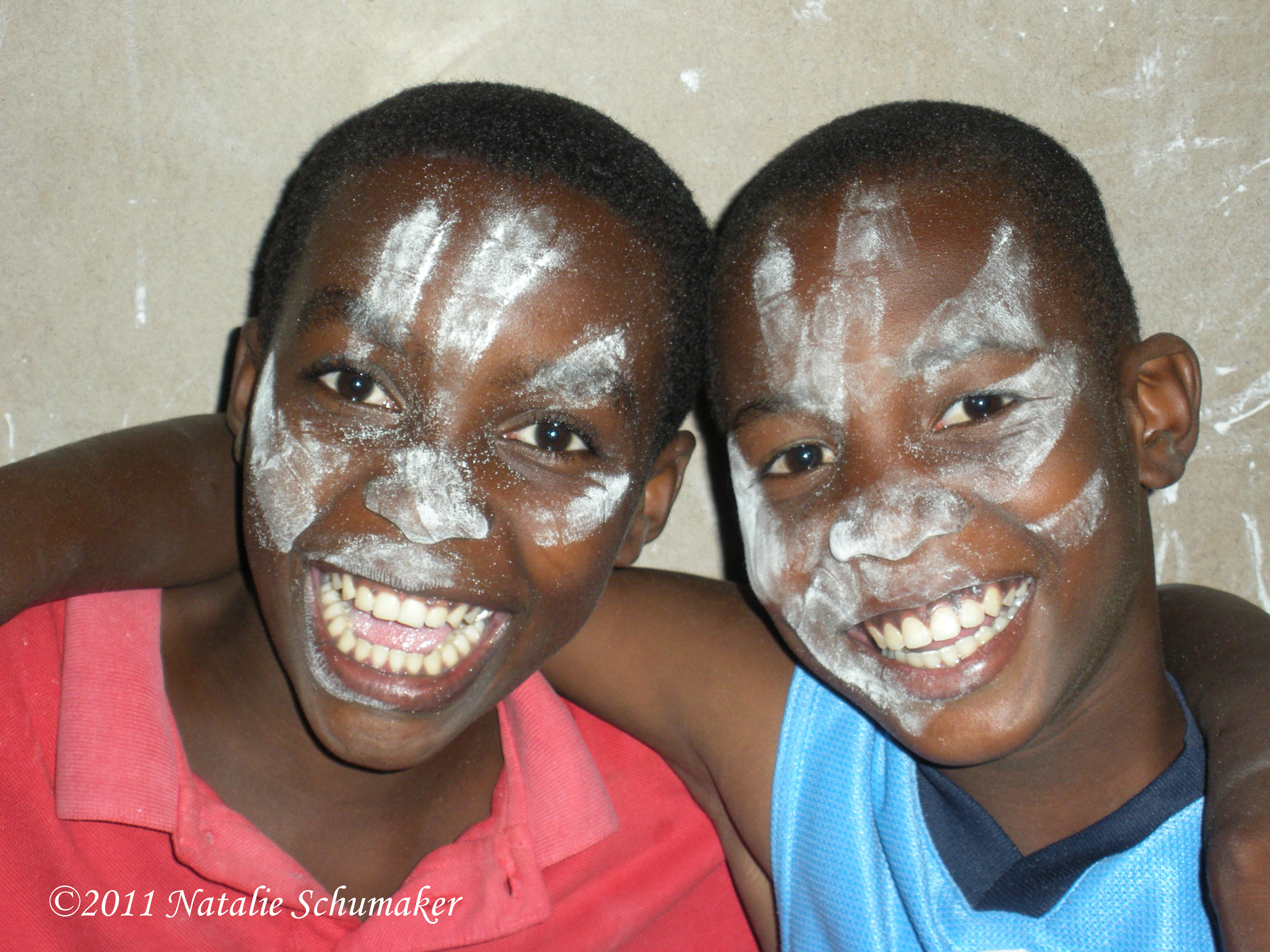
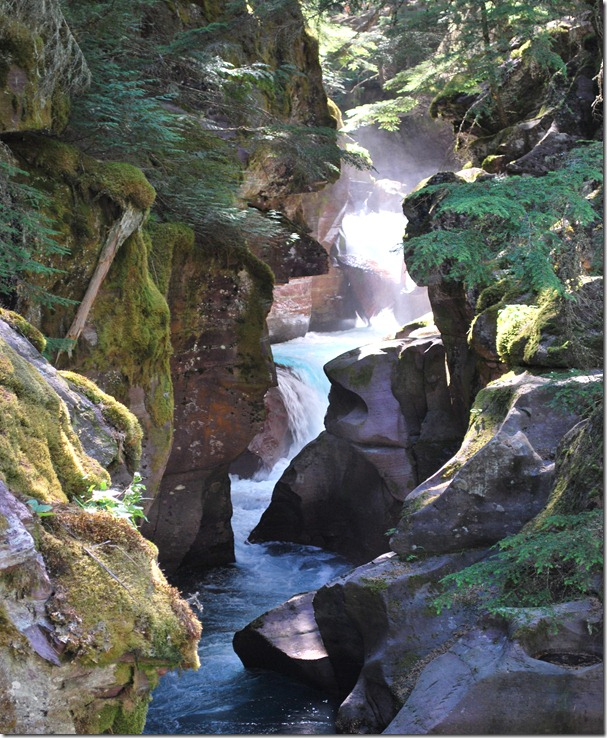
“God in the Ordinary” began as an invitation to use photography to notice the Sacred. People of any skill level were invited to carry their cameras into ordinary life and spend a month living the questions: Where do I encounter God here? What is drawing my attention? What becomes visible when I stop long enough to look?
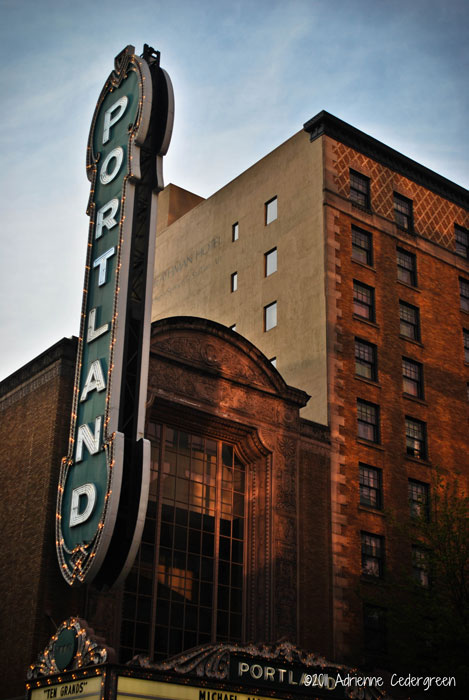
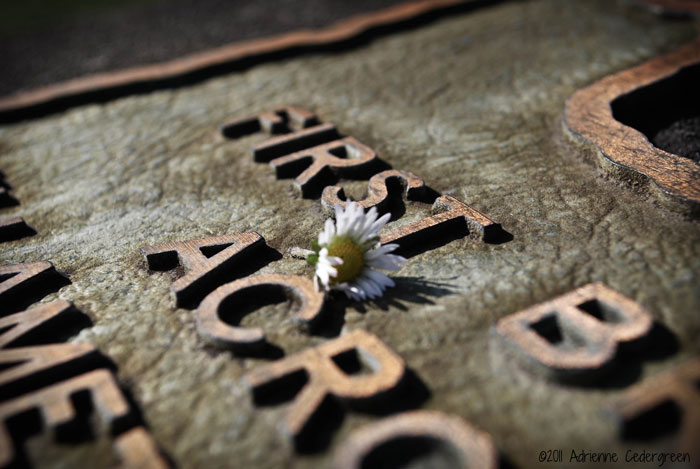
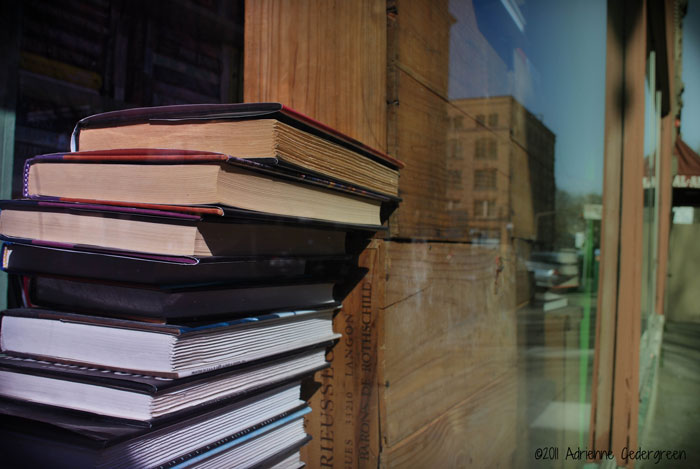
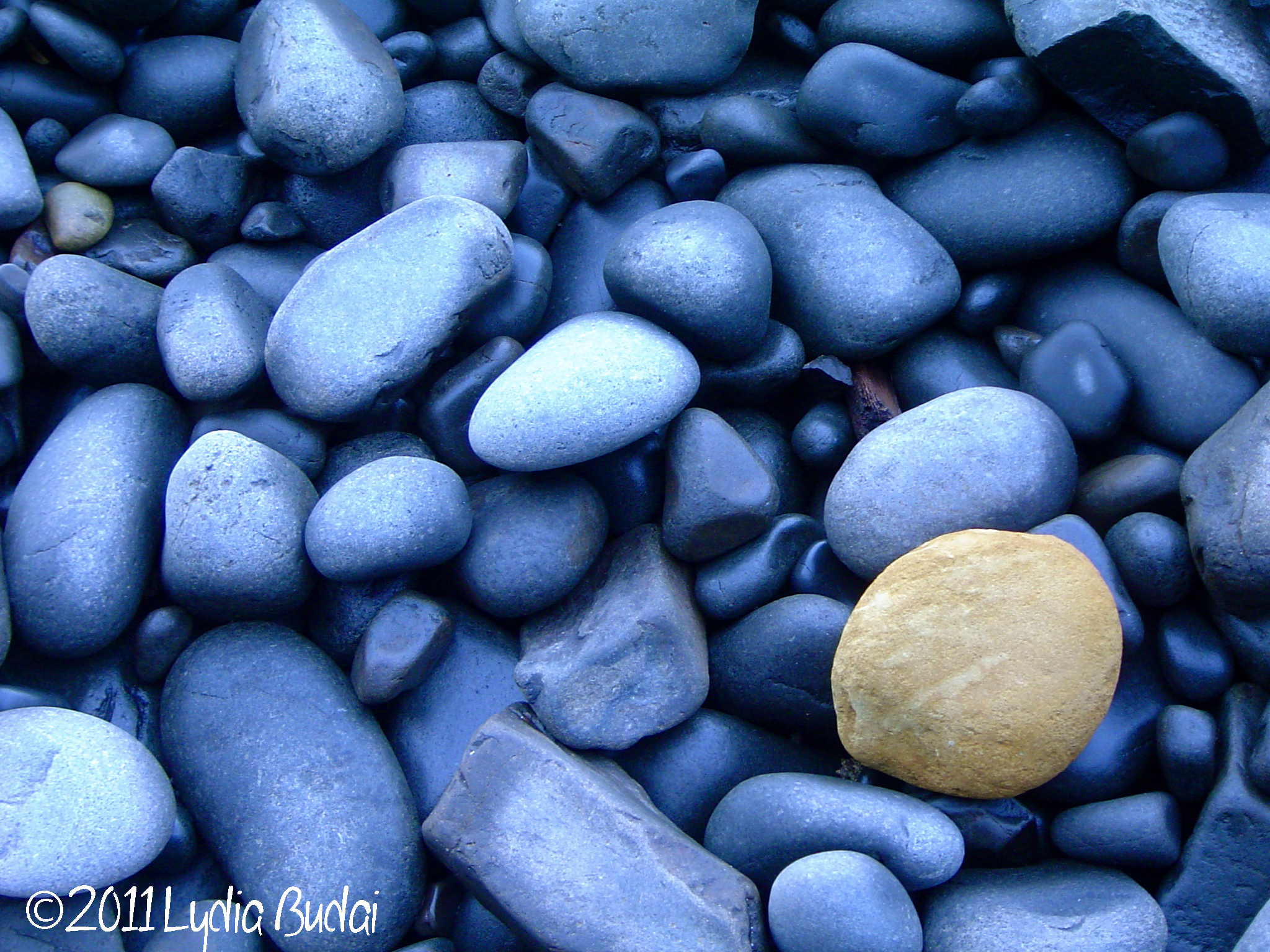
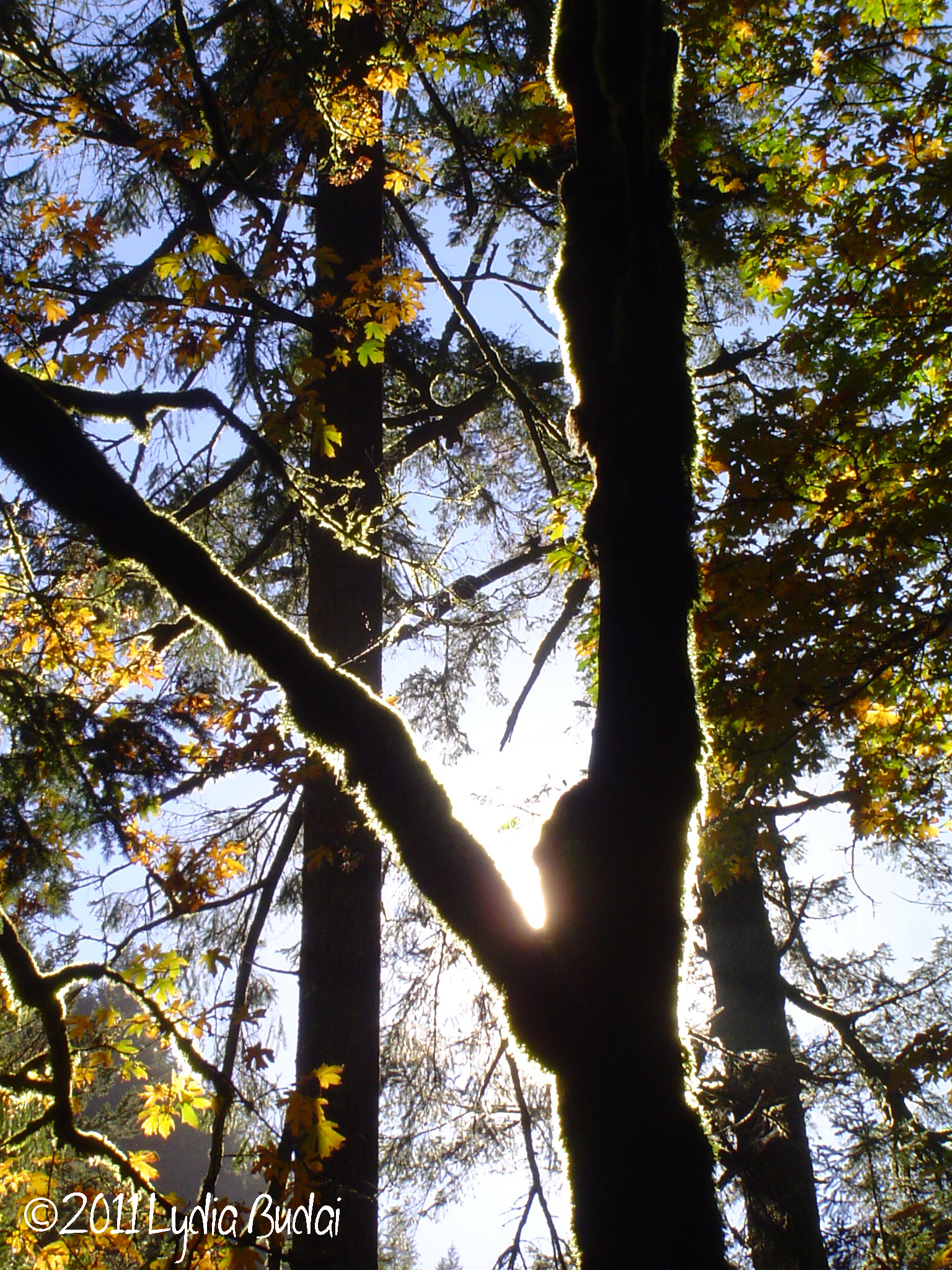
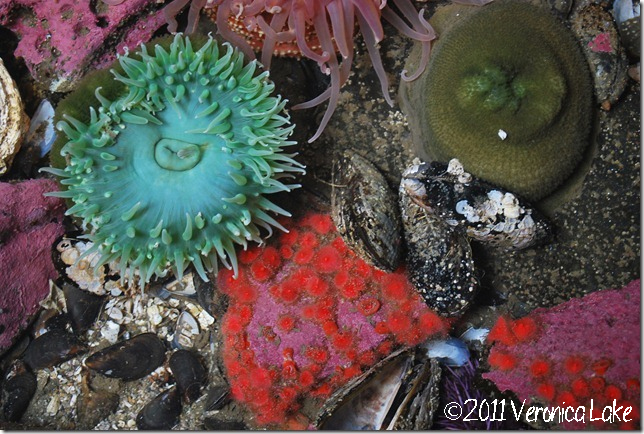
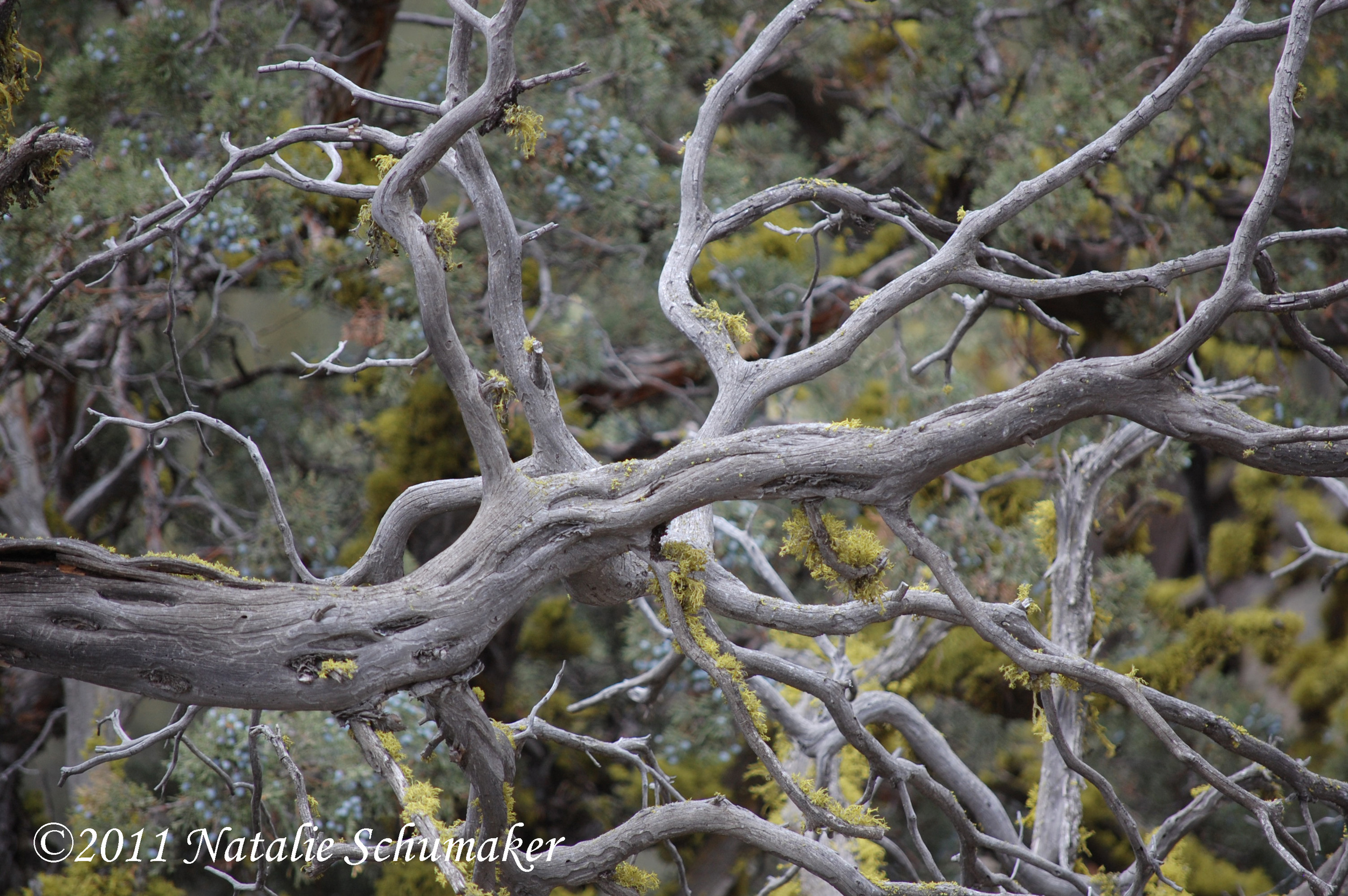
More than 50 people participated, 13 to 80 years of age, amateurs and professionals, some using their phone cameras and some using expensive professional equipment. Their photographs were exhibited throughout the church alongside the photographers' own words about what they had seen. The images together offered many different answers to the same invitation to pay attention. We wanted to encourage people to look for God daily and to use their cameras as tools for worship. The secondary goal was to invite the congregation to see the Sacred through someone else’s eyes.
TRY IT YOURSELF
What might become visible if you began looking differently?
Take a camera with you into an ordinary part of your day. You don't need special equipment or photographic skill. Don't begin by looking for something beautiful, meaningful, or obviously sacred. Simply pay attention.
Notice what draws your eye. Take the photograph.
Later, spend some time with the image and ask:
What drew me here?
What do I notice now that I didn't notice before?
How is the Sacred revealing itself here?
You don't need to arrive at an answer. The practice is in the looking.
THE READING THAT BEGAN THE PROJECT
Before participants began photographing, I invited them to read Richard J. Vincent’s Transforming Presence: Knowing God in the Ordinary. His reflection on learning to recognize the presence of God in everyday life provided a starting place for the month of looking that followed.
The original article has become difficult to find online. With Richard Vincent’s generous permission, I have preserved it here as part of the project.